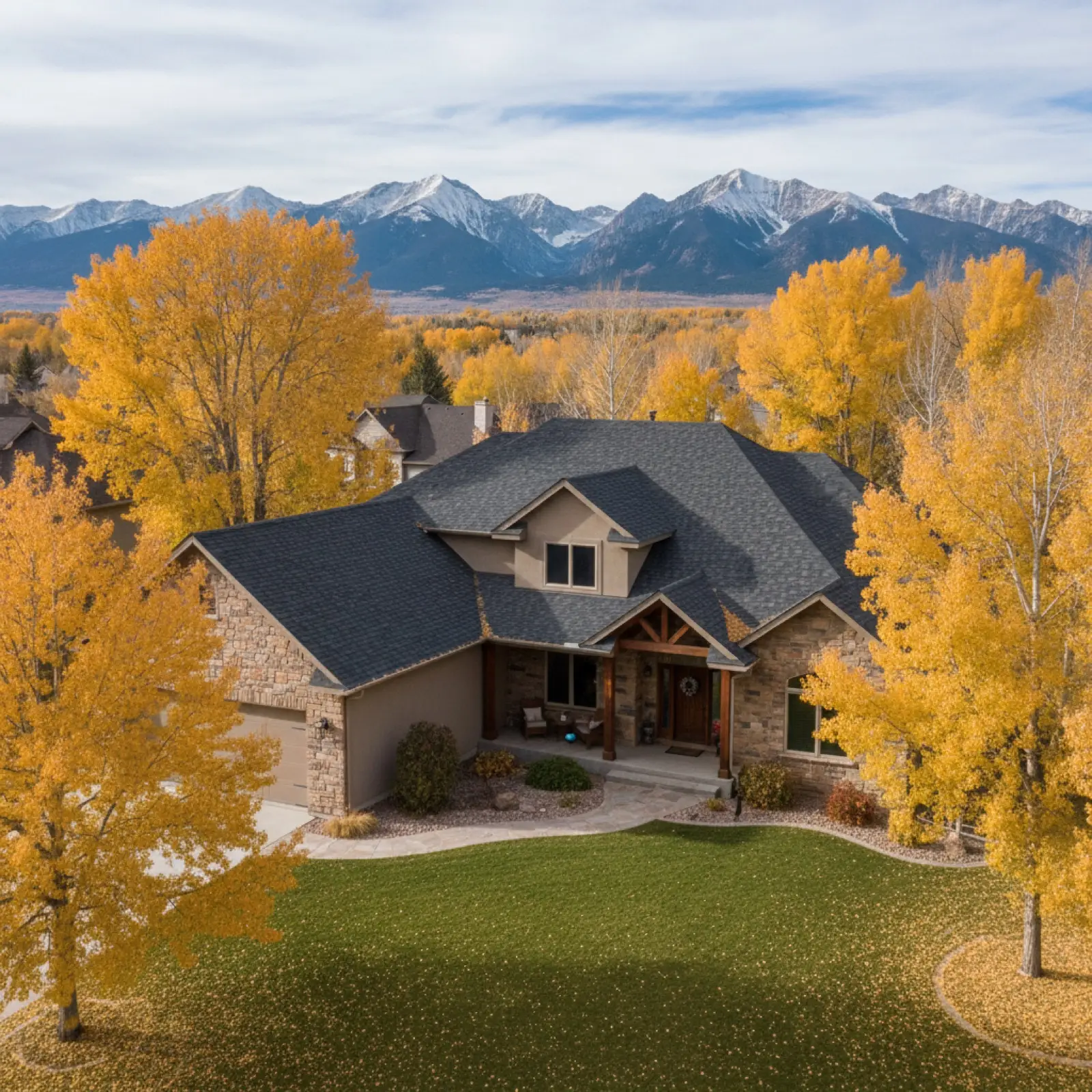
A complete fall roof maintenance checklist covers ten things: your gutters, shingles, flashing, vent boots, granule loss, overhanging branches, attic ventilation, the roofline, roof valleys, and a professional inspection. Work through all ten before the first hard freeze and you give your roof the best chance of making it through a Northern Colorado winter without a surprise leak. Fall is the window when the weather is still mild enough to spot problems and fix them safely, and it closes fast once the snow starts.
This guide turns that work into a simple fall roof maintenance checklist you can actually follow, item by item. We break down which tasks a homeowner in Greeley, Loveland, or Evans can handle from the ground, which ones call for a roofer, and when everything needs to be done. Martinez Roofing Inc has protected homes across Northern Colorado for more than 26 years, so these steps reflect what our region’s roofs really face: wind, hail, intense sun, and freeze-thaw swings.
Key Takeaways
- A full fall roof maintenance checklist has ten core items, from clearing gutters to booking a professional inspection, and all of them matter before snow season.
- Northern Colorado’s first fall freeze typically lands in early October, so finish ground-level prep by late September and schedule any roof work before mid-October.
- Homeowners can safely handle gutter clearing, branch trimming, and a visual attic check; climbing the roof to inspect shingles and flashing is a job for a licensed roofer.
- Catching loose flashing, granule loss, or small storm damage in fall prevents ice dams, interior leaks, and emergency repairs once winter sets in.
What Is on a Complete Fall Roof Maintenance Checklist?
A thorough fall roof maintenance checklist moves from the easy, ground-level tasks to the parts that need a trained eye. Here is the full list, in the order we recommend tackling it:
- Clear gutters and downspouts. Remove leaves, pine needles, and grit, then confirm water runs freely and drains at least three feet from the foundation. Clogged gutters are the leading cause of ice dams.
- Check shingles for damage. Scan for missing, cracked, curling, or lifted shingles. A single compromised shingle can let meltwater under the surface once snow piles up.
- Inspect flashing and sealant. Look at the metal flashing around chimneys, skylights, dormers, and wall joints for gaps, rust, or dried caulk that has pulled away.
- Examine vent boots and pipe collars. The rubber collars around plumbing vents crack and harden with Colorado’s UV exposure, and they are a common hidden leak point.
- Look for granule loss. Bare, shiny patches on shingles or a buildup of granules in the gutters signal shingles nearing the end of their life.
- Trim overhanging branches. Cut back limbs to roughly ten feet of clearance so wind and snow load cannot drag them across the roof.
- Check the attic. From inside, look for water stains, damp insulation, daylight through the deck, and blocked vents that trap warm, moist air.
- Inspect the roofline, fascia, and soffits. Sagging, rot, or peeling paint along the edges points to moisture that has already found a way in.
- Clear roof valleys. Leaves and debris collect where two roof planes meet, and that is exactly where water and ice want to pool.
- Book a professional roof inspection. A roofer catches the subtle wear and storm damage that is hard to see from the ground and documents it before winter.
When Should Northern Colorado Homeowners Finish Fall Prep?
Finish your ground-level tasks by late September and have any roof repairs booked by the first week of October. According to the Old Farmer’s Almanac frost data for Fort Collins, the average first fall frost arrives around October 2, and the rest of Northern Colorado follows within the same early-October window.
That timing matters more here than in milder climates. Once overnight temperatures drop below freezing, gutter cleaning turns slick and dangerous, sealants cure poorly, and crews get booked up fast after the first storm.
Weather in Greeley and the surrounding towns can swing from a warm afternoon to a snow event within days. Getting ahead of that first freeze is the single biggest reason to treat fall maintenance as a deadline rather than a someday task, so you prepare your roof for winter while conditions still allow it.
Which Checklist Items Can You Do Yourself, and Which Need a Roofer?
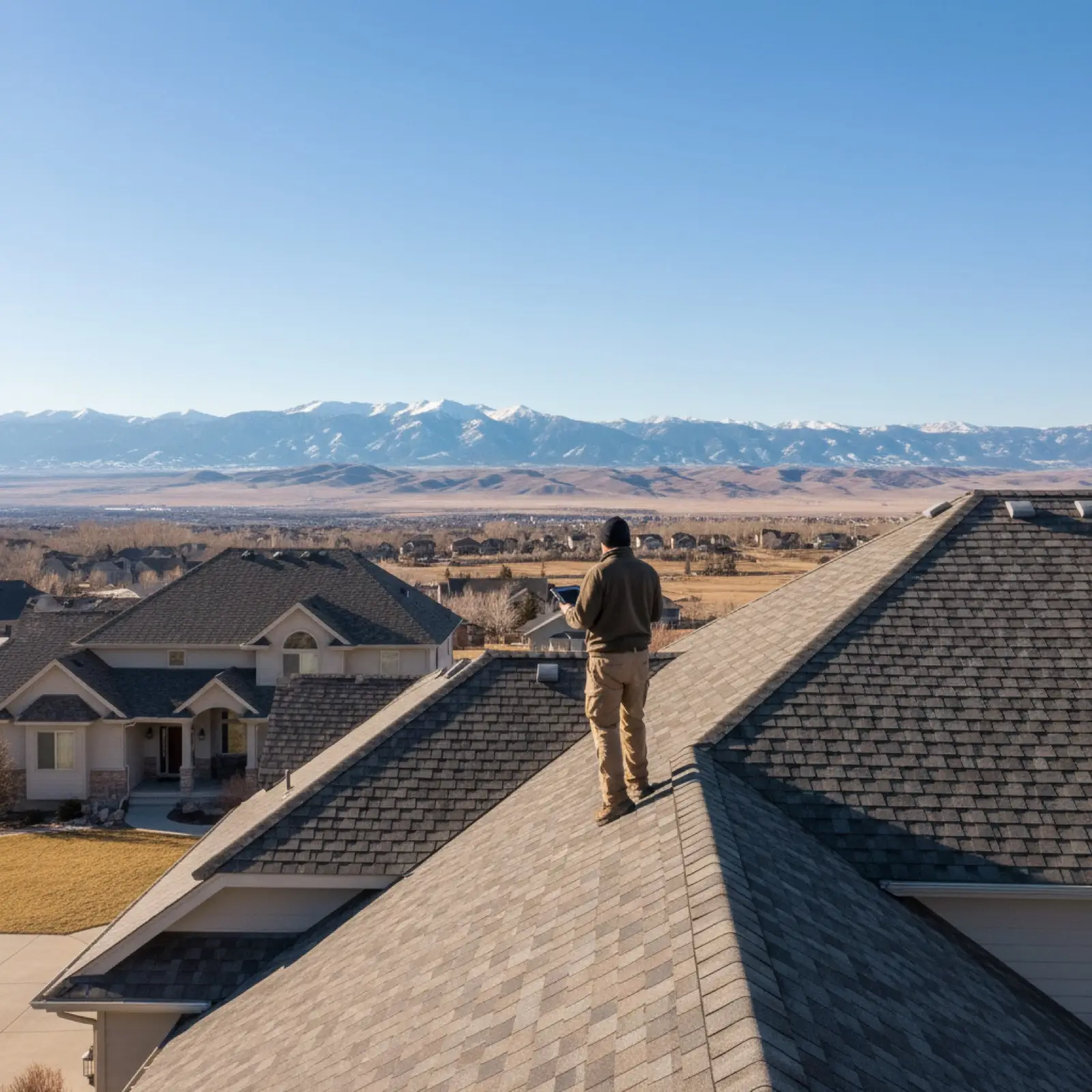
You can safely handle several items from the ground or a stable ladder. Clearing gutters and downspouts, trimming branches, raking debris out of visible valleys, and doing a visual attic check with a flashlight are all reasonable homeowner tasks if you are comfortable and the weather is dry.
Leave anything that requires walking the roof to a professional. Inspecting shingles up close, checking flashing and vent boots, and assessing granule loss all mean getting on the roof, where a fall or a missed soft spot carries real risk. A licensed roofer also knows the difference between normal wear and damage that needs attention now.
Homeowners across Northern Colorado count on our team for that part of the checklist. If you are in Loveland, our Loveland roofing company handles the on-roof inspection so you do not have to climb up yourself, and families in Evans can reach the same crew through our Evans roofing team.
How Does Fall Maintenance Prevent Winter Roof Damage?
Most winter roof failures trace back to something that was fixable in the fall. Clogged gutters and poor attic ventilation are the two biggest drivers of ice dams, the ridges of ice that form at the eaves and force meltwater back under the shingles.
When that water gets in, it causes ceiling stains, soaked insulation, and mold. Clearing gutters, improving airflow, and sealing flashing in the fall remove the conditions ice dams need to form.
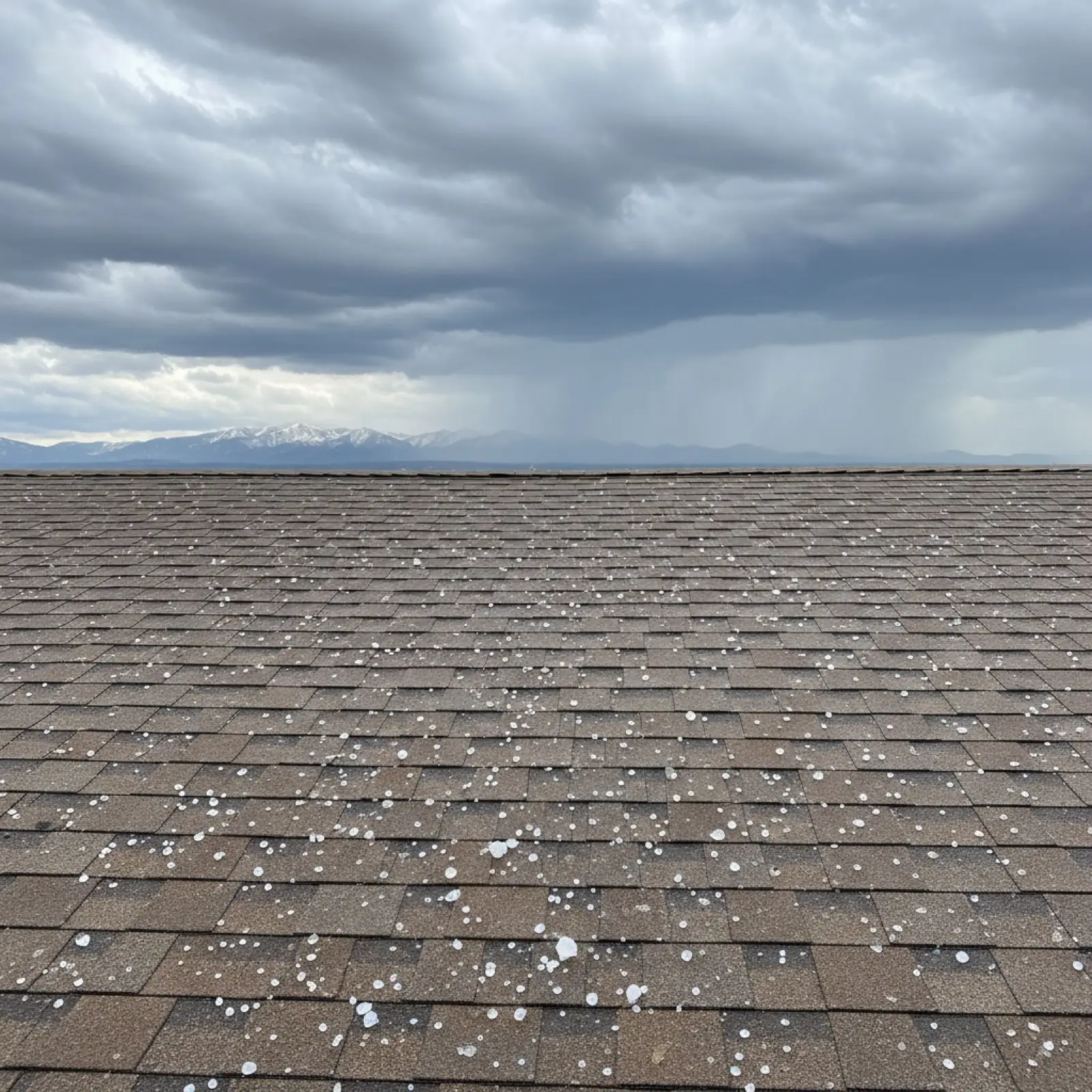
Fall is also the right time to repair any lingering hail or wind damage from the summer storm season. If your checklist turns up lifted shingles or dented metal, professional storm damage repair before the snow arrives keeps a small problem from becoming a winter emergency. Pairing that with a Roof Maxx roof rejuvenation treatment can restore flexibility to aging asphalt shingles and add years of life before you need a full replacement.
What About Commercial and Flat Roofs?
Commercial and flat roofs need their own version of the fall checklist. Flat and low-slope systems like TPO, EPDM, and modified bitumen hold snow and standing water differently than a pitched residential roof, so drainage is the first thing to check.
Before winter, clear all roof drains and scuppers, inspect the membrane seams and flashing, and confirm rooftop equipment curbs are sealed. Ponding water that freezes adds enormous weight and stress to the deck.
Property managers and business owners in the region can schedule a pre-winter assessment through our commercial roofing services, which cover inspection, repair, and maintenance for Northern Colorado buildings.
What to Expect From a Professional Fall Roof Inspection
A professional fall roof inspection is the item on the checklist that pays for itself. A roofer examines the shingles, flashing, vents, and valleys up close, checks the attic for ventilation and moisture, and documents anything that needs attention with photos.
You should expect clear, honest recommendations afterward, with repairs prioritized by what actually protects your home rather than a push to replace everything. Many Northern Colorado homeowners ask what a roof inspection costs; at Martinez Roofing Inc, our fall roof inspections are free and come with no pressure.
That inspection is where more than 26 years of local experience shows up. We know how Front Range wind corridors lift shingles, how intense sun ages roofing materials faster at this altitude, and what the freeze-thaw cycle does to flashing, so we catch the issues that matter here.
Fall Roof Maintenance FAQs for Northern Colorado
When should I complete fall roof maintenance in Northern Colorado?
Aim to finish ground-level tasks by late September and have any roof repairs scheduled by early October. The region’s first freeze usually arrives in the first week of October, and working on a roof after that becomes slick, difficult, and harder to book.
What roof maintenance can I do myself versus what needs a roofer?
You can safely clear gutters, trim branches, rake visible valleys, and check the attic from inside. Anything that requires getting on the roof, including inspecting shingles, flashing, and vent boots, should be left to a licensed roofer for both safety and accuracy.
How much does a fall roof inspection cost?
Costs vary by company, and some roofers charge a flat fee while others inspect for free. Martinez Roofing Inc offers free fall roof inspections across Northern Colorado, so you can get a professional assessment of your roof’s winter readiness at no cost.
Does fall roof maintenance really prevent ice dams?
Yes. Ice dams form when clogged gutters and poor attic ventilation let heat and meltwater build up at the eaves. Clearing gutters, improving airflow, and sealing gaps in the fall removes the main conditions that allow ice dams to form.
Is it too late to schedule roof work after the first snow?
Not necessarily, but it gets harder. Crews fill up quickly after the first storm, and cold temperatures slow sealants and make the work less safe. Booking before the first freeze gives you the most options and the best pricing.
Get Your Roof Winter-Ready
Run through this checklist now and schedule your free fall roof inspection with Martinez Roofing Inc before Northern Colorado’s first freeze arrives.