Prevent Costly Repairs with Timely Early Roof Repair Solutions
Your roof is one of your home’s most critical defense systems—protecting you from wind, rain, snow, and sun every day. Yet many homeowners overlook subtle but serious warning signs that a roof may be deteriorating. Recognizing roof damage signs early is essential to preventing expensive problems down the line.
At Martinez Roofing Inc., we’ve inspected thousands of roofs across Northern Colorado and have seen firsthand how small issues can lead to major repairs if not handled quickly. In this guide, we’ll walk you through the most common early indicators of roof trouble and explain how early roof repair can save your home—and your wallet.
Why Catching Roof Damage Early Matters
A failing roof doesn’t always look like a dramatic cave-in or a visible leak. In fact, many of the worst structural and water damage problems we’ve seen start from something as small as a cracked shingle or worn-out flashing.
Early roof repair isn’t just about fixing a surface issue—it’s about preserving the structural integrity of your home. Prompt action helps you:
- Prevent leaks and water damage
- Avoid mold and mildew
- Maintain energy efficiency
- Extend the life of your roofing system
- Save money on future repairs or full replacement
Let’s explore the most common roof damage signs and how to respond when you spot them.
1. Missing or Damaged Shingles
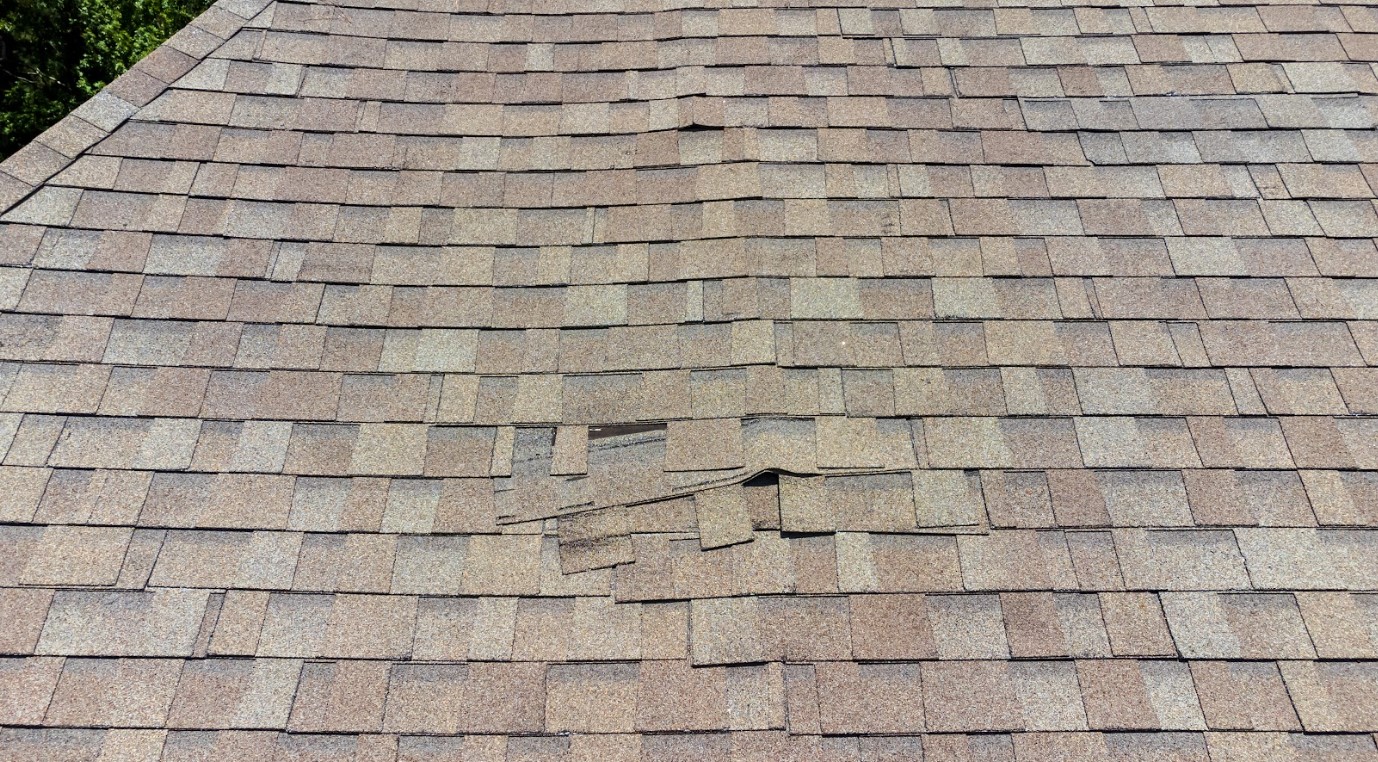
Shingles are your roof’s first line of defense, and even one missing or damaged shingle can expose your home to the elements. Common shingle issues include:
- Cracks or splits
- Curling at the edges
- Blistering or bubbling
- Complete loss after a windstorm
These signs often occur after hail events or strong winds, especially on older roofs. If you notice any of these during a walk around your home—or spot shingles in your yard—it’s time to schedule a professional inspection.
Early roof repair in this case often involves replacing individual shingles and resealing vulnerable areas, avoiding the need for widespread patching later.
2. Granule Loss on Asphalt Shingles
Granules are the rough, sandpaper-like surface on asphalt shingles that protect them from UV rays and weathering. Over time, granules naturally wear off—but excessive loss can lead to quick deterioration.
Signs of granule loss include:
- Discoloration or bare spots on your roof
- Piles of granules in your gutters or downspouts
- Patchy sections that look “bald”
Granule loss typically accelerates near roof valleys and eaves. It’s one of the less obvious roof damage signs, but it’s an early indicator your shingles are aging faster than expected. Depending on the severity, early roof repair might involve targeted treatment, a Roof Maxx rejuvenation (for eligible roofs), or partial replacement.

3. Water Stains or Interior Leaks
Leaks often start small—showing up as discolored spots on your ceiling or walls. By the time water is visible inside, it’s likely that moisture has already compromised your roof deck or insulation.
Look for:
- Yellow or brown ceiling stains
- Peeling paint or bubbling drywall
- Dripping during rainstorms
- Musty odors in the attic or upstairs rooms
These signs usually indicate more than just a single leak. A full inspection will reveal where water is entering and how widespread the damage may be. Early roof repair at this stage might include sealing flashing, replacing underlayment, or repairing roof decking.
4. Sagging Rooflines or Uneven Appearance
A healthy roofline should be straight and even. If you notice any dips, curves, or warping in the shape of your roof, it’s a red flag.
Common causes of sagging include:
- Waterlogged decking
- Long-term snow or ice damage
- Improper installation or structural weakness
- Rot or insect damage in the framing
This is a more serious warning sign that shouldn’t be ignored. It may not always result in a full replacement, but sagging should be evaluated promptly to determine the cause and scope. Early intervention can prevent structural failure and keep your home safe.
5. Cracked or Damaged Flashing
Flashing is the thin metal installed around roof edges, chimneys, skylights, and vents. It helps guide water off your roof and into your gutters. Over time, flashing can become loose, corroded, or cracked—especially if it was poorly installed or sealed.
Watch for:
- Rust or corrosion
- Lifting or loose edges
- Gaps between flashing and roof surface
Because flashing is often hidden or installed in seams, it’s easy to miss during a visual inspection. An experienced roofing contractor will check flashing integrity during routine roof maintenance and recommend early roof repair if needed.
6. Mold, Moss, or Algae Growth
Organic growth on your roof isn’t just a cosmetic issue. Moss and algae retain moisture, which can accelerate wear and break down shingles. Mold is also a sign of trapped moisture beneath the surface—especially near roof valleys or in shaded areas.
Look for:
- Green or black streaks
- Raised patches of moss
- Soft or spongy spots underfoot (if walking the roof)
Regular cleaning and early treatment with moss-resistant coatings can prevent deeper damage. If moisture has penetrated under your roofing materials, we may recommend localized repairs or ventilation upgrades to stop the cycle.

7. High Energy Bills
Sudden spikes in heating or cooling costs might point to problems with your roof. Poor attic ventilation, damaged insulation, or deteriorating roofing materials can reduce your home’s energy efficiency.
If you’ve ruled out HVAC issues and windows, it’s worth scheduling a roof inspection. Early roof repair can improve ventilation, seal leaks, and help lower your energy costs.
What to Do If You Notice Early Roof Damage Signs
Ignoring problems—especially small ones—can result in more serious repairs later. Instead, take these steps:
1. Schedule a Professional Inspection
Climbing on your roof isn’t always safe or productive. Let a trained roofer assess the condition from both the exterior and attic, looking for subtle signs you might miss.
2. Get a Detailed Estimate
If damage is found, request a clear, itemized estimate outlining the recommended early roof repair steps. A good contractor will explain the urgency and what can be delayed.
3. Prioritize Preventive Maintenance
Not every issue requires a full replacement. Often, minor repairs and adjustments can buy years of extra life—especially if your roof is under 15 years old.
How Martinez Roofing Inc. Can Help
At Martinez Roofing Inc., we specialize in detecting and repairing roof damage signs before they turn into emergencies. With over 20 years of roofing experience across Northern Colorado, we understand the unique wear factors caused by our region’s high UV exposure, hailstorms, and winter freeze-thaw cycles.
Why choose us for early roof repair?
- Free roof inspections
- Honest, pressure-free recommendations
- High-quality materials from leading manufacturers
- 5-year workmanship guarantee
- No-money-down financing available
- Certified Roof Maxx dealer for sustainable shingle rejuvenation
Protect Your Roof Before Damage Spreads
Your roof is one of your home’s most valuable assets—and it needs attention before issues become visible. Don’t wait for water to drip from your ceiling or for mold to creep into your attic. At the first sign of trouble, contact the team that puts your roof’s health first.
Get a free estimate now from Martinez Roofing Inc., and let’s take care of those early warning signs before they become major repairs. Your peace of mind starts with a solid, secure roof.